
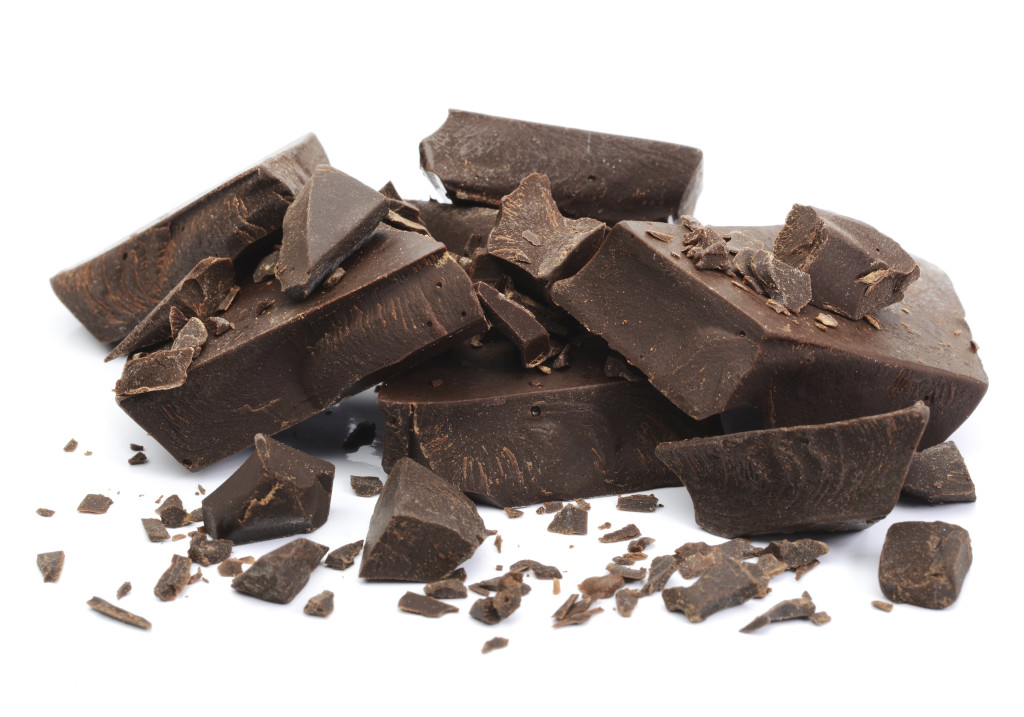
Chocolate is one of those foods you rarely forget after the first taste. It can be sweet, bitter, creamy, or intense sometimes all at once. But when you stand in front of a shelf full of options, it’s easy to feel confused. Not all chocolate is the same, and understanding the different types of chocolate helps you choose better for both taste and purpose.
You might prefer something smooth and sweet, or maybe you enjoy a strong cocoa flavor that lingers. The difference comes from how chocolate is made, what ingredients are used, and how much cocoa it contains. Once you understand these basics, your choices become clearer—and more enjoyable.
Table of Contents
What is Chocolate Made Of?
Chocolate starts its journey as cocoa beans, which come from the cacao tree. These trees mainly grow in warm regions near the equator, such as parts of Africa, South America, and Southeast Asia. After harvesting, the beans go through fermentation, drying, roasting, and grinding before they turn into chocolate.
This process shapes the final flavor. Even small changes in processing can affect how the chocolate tastes—whether it turns out mild, bitter, or slightly fruity.
Key Ingredients in Chocolate
At its core, chocolate is made from a few basic ingredients:
- Cocoa solids – These give chocolate its rich flavor
- Cocoa butter – Responsible for the smooth texture
- Sugar – Adds sweetness
- Milk (in some types) – Creates a creamy taste
The balance of these ingredients defines the different types of chocolate. For example, more cocoa solids mean a stronger taste, while more sugar or milk makes it sweeter and softer.
Different Types of Chocolate
Chocolate comes in several primary forms, each defined by its ingredients and cocoa content. Understanding these basics helps you quickly identify what suits your taste and purpose.
1. Dark Chocolate
Dark chocolate is all about intensity. It contains a high percentage of cocoa solids and little to no milk, which gives it a richer and more pronounced taste. Depending on the cocoa percentage, the flavor can shift from mildly bitter to quite strong, sometimes with subtle earthy or fruity notes.
If you prefer chocolate that isn’t overly sweet, dark chocolate fits perfectly. It’s often used in baking, especially in cakes and brownies, where a deeper flavor makes a noticeable difference. Many people also choose it for its simpler ingredient profile.
2. Milk Chocolate
Milk chocolate is the most familiar and widely enjoyed option. It combines cocoa solids with milk powder or condensed milk, creating a smooth, creamy texture and a sweeter taste.
This is the chocolate you’ll commonly find in candy bars, desserts, and snacks. It melts easily in your mouth and has a comforting flavor that appeals to almost everyone. If you enjoy soft, sweet treats, milk chocolate is an easy choice.
3. White Chocolate
White chocolate is quite different from other types. It doesn’t contain cocoa solids, but it’s still made from cocoa butter, along with sugar and milk. This gives it a pale color and a rich, buttery sweetness.
Because it lacks the typical cocoa flavor, it tastes more like a creamy dessert ingredient. It works well in baking, especially in cookies and frostings, where a smooth and sweet profile is needed.
4. Ruby Chocolate
Ruby chocolate brings something new to the table. Known for its natural pink color, it offers a light, slightly tangy flavor that feels different from traditional chocolate.
It’s not just about appearance—the taste has a gentle fruit-like note that sets it apart. Often used in premium sweets and special occasions, ruby chocolate adds a fresh twist to the different types of chocolate you can try today.
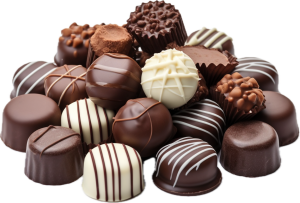
Popular Varieties Beyond the Basic Types of Chocolate
1. Unsweetened Chocolate
Unsweetened chocolate is the purest form you can find. It contains only cocoa solids and cocoa butter, with no added sugar at all. Because of this, the taste is quite strong and naturally bitter.
You won’t usually eat it on its own. Instead, it’s widely used in baking recipes where you control the sugar separately. This makes it ideal when you want a rich cocoa base without any added sweetness.
2. Bittersweet Chocolate
Bittersweet chocolate offers a bold cocoa flavor with just a touch of sweetness. It typically contains around 70% cocoa or more, which gives it a more intense taste than regular dark chocolate.
It works especially well in desserts where you want depth without making things overly sweet. Many bakers rely on it for recipes like cakes, brownies, and ganache because it creates a well-balanced flavor.
3. Semisweet Chocolate
Semisweet chocolate is one of the most practical and widely used options. It has a balanced mix of cocoa and sugar, making it neither too bitter nor too sweet.
You’ll often see it in chocolate chips used for cookies and other baked goods. Its mild and adaptable flavor makes it a safe choice when you’re unsure which type to pick.
4. Couverture Chocolate
Couverture chocolate is known for its high quality and smooth finish. It contains a higher amount of cocoa butter, which allows it to melt more evenly and create a glossy texture once it sets.
This is why professionals prefer it for coating, dipping, and decorative work. If presentation matters, couverture chocolate gives a polished result.
5. Gianduja Chocolate
Gianduja chocolate combines chocolate with finely ground hazelnuts, creating a soft and creamy texture. The nutty flavor blends smoothly with cocoa, resulting in a rich and satisfying taste.
It’s commonly used in spreads, fillings, and premium sweets. If you enjoy nut-based flavors, this is one of the most enjoyable variations among the different types of chocolate.
6. Cocoa Powder
Cocoa powder is made by removing most of the cocoa butter from chocolate and grinding the remaining solids into a fine powder. It has a strong chocolate flavor but no creamy texture.
You’ll find it in baking recipes, hot chocolate drinks, and desserts. Even though it doesn’t come in bar form, it still plays an important role when working with the different types of chocolate.
Chocolate Classification Based on Cocoa Percentage
The cocoa percentage tells you how much of the chocolate comes from cocoa beans. This number directly affects taste, texture, and even how the chocolate melts.
1. Low Cocoa (Sweet & Mild)
Chocolate with a low cocoa percentage contains more sugar and milk. This makes it sweeter and softer.
Milk chocolate usually falls into this category. It’s ideal if you prefer a gentle flavor without bitterness.
2. Medium Cocoa (Balanced Flavor)
This range offers a balance between sweetness and cocoa richness. You’ll notice both flavors without one overpowering the other.
Semisweet and some dark chocolates fit here. They are great for both eating and baking.
3. High Cocoa (Intense & Bitter)
High cocoa chocolate contains 70% or more cocoa. The flavor becomes stronger, and the sweetness drops significantly.
Dark and bittersweet chocolates belong to this group. They are often chosen by those who enjoy bold flavors.
How to Choose the Right Type of Chocolate
Choosing the right chocolate depends on what you want from it. Taste is important, but so is the purpose.
Based on Taste Preferences
If you like sweet and creamy flavors, milk or white chocolate works best. For a stronger taste, dark or bittersweet chocolate is a better fit. Trying different options helps you understand what suits your palate.
Based on Usage (Baking, Snacking, Cooking)
- For baking: Semisweet or bittersweet chocolate
- For snacking: Milk or dark chocolate
- For coating and decoration: Couverture chocolate
Each type serves a different purpose, so picking the right one makes a noticeable difference.
Reading Chocolate Labels Effectively
Always check the cocoa percentage and ingredient list. A shorter ingredient list usually means better quality. Avoid products with too many additives, as they can affect both taste and texture.
Health Benefits and Considerations
Chocolate is often seen as a treat, but some types can offer certain benefits when consumed in moderation. The key is knowing which option to choose and how much to eat.
Benefits of Dark Chocolate
Dark chocolate, especially with high cocoa content, contains antioxidants that help support overall well-being. It may also contribute to better heart health when eaten in small amounts.
Because it has less sugar compared to other options, it’s often considered a smarter choice among the different types of chocolate.
Sugar and Calorie Concerns
Not all chocolate is equal when it comes to nutrition. Milk and white chocolate usually contain more sugar and calories, which can add up quickly if consumed in large quantities.
If you’re watching your diet, always check the label. A small portion can satisfy your craving without going overboard.
Moderation Tips
- Stick to small servings instead of large portions
- Choose higher cocoa options for better balance
- Avoid daily overconsumption
Enjoying chocolate is fine—as long as you keep it under control.
Common Mistakes When Buying Chocolate
Even regular chocolate lovers make simple mistakes while choosing the right product. Being aware of these can help you make better decisions.
- Ignoring cocoa percentage: This directly affects taste and quality
- Choosing low-quality products: Cheap chocolate often contains fillers
- Confusing different types: Not all chocolate works the same in recipes
Understanding these points helps you pick from the different types of chocolate more confidently.
Wrapping Up
By now, you’ve seen that chocolate is much more than just a sweet treat. From rich dark varieties to creamy milk options and specialty forms used in baking, each type serves a different purpose. Understanding the different types of chocolate helps you make smarter choices—whether you’re enjoying it as a snack or using it in recipes.
The key is simple: check the ingredients, notice the cocoa percentage, and match the chocolate to your taste and need. Once you get familiar with these basics, picking the right chocolate becomes easy. Try different varieties, compare flavors, and find what truly works for you.
Frequently Asked Questions (FAQs)
Q1. What are the main different types of chocolate?
The main types include dark chocolate, milk chocolate, white chocolate, and ruby chocolate. Each one differs in ingredients, taste, and cocoa content.
Q2. Which type of chocolate is best for health?
Dark chocolate with a high cocoa percentage is generally considered a better option because it contains less sugar and more cocoa solids.
Q3. Is cocoa powder considered chocolate?
Cocoa powder is a chocolate product but not a chocolate bar. It comes from cocoa beans and is mainly used in baking and drinks.
Q4. What is the best chocolate for baking?
Semisweet and bittersweet chocolates are commonly used in baking because they provide a balanced flavor without being too sweet.
Q5. How do I choose the right chocolate for myself?
You should choose based on your taste and purpose. If you prefer sweet flavors, go for milk chocolate. If you like a stronger taste, dark or bittersweet chocolate is a better option.
 amrit
amrit  Shusree Mukherjee