
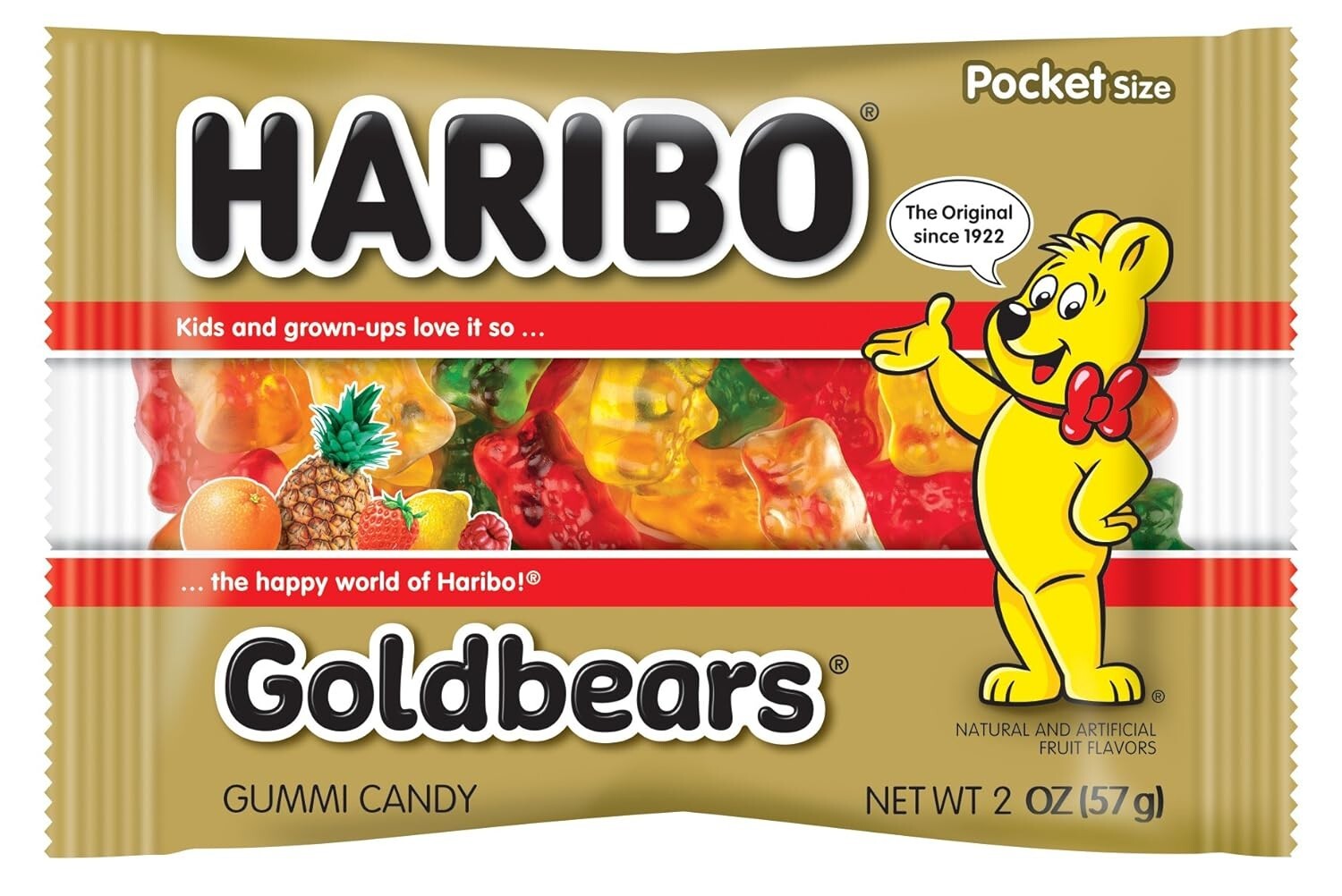
You’ve probably grabbed a pack of gummy bears at some point—maybe as a quick snack, maybe to satisfy a sweet craving. But if you follow a gluten-free diet, a simple treat can turn into a question: are haribo gummy bears gluten free? Gummy bears don’t seem like they should contain gluten. They’re chewy, fruity, and made mostly from sugar and gelatin. No bread, no flour—so where’s the problem?
Here’s where things get tricky. Ingredients, processing methods, and even the country where the product is made can change whether a candy is truly safe for you. If you have celiac disease or gluten sensitivity, even a small trace can matter.
In this guide, you’ll get a clear understanding of what’s actually inside Haribo gummy bears, whether they contain gluten, and how safe they are for your diet. You’ll also learn how to check labels and choose better alternatives when needed.
Table of Contents
What Is Gluten?
Gluten is a protein found in grains like wheat, barley, and rye. It gives dough its elasticity and helps baked goods hold their shape. You’ll commonly find it in bread, pasta, cereals, and baked snacks. But gluten doesn’t always appear in obvious places. It can also be present in processed foods through additives, stabilizers, or flavorings. That’s why even products like candy can sometimes contain hidden gluten.
Who Needs a Gluten-Free Diet?
Not everyone needs to avoid gluten, but for some people, it’s essential. If you have celiac disease, your immune system reacts to gluten and damages your small intestine. Even tiny amounts can cause serious health issues. If you’re dealing with gluten intolerance or sensitivity, you might experience symptoms like bloating, headaches, or fatigue after consuming gluten. Some people also choose a gluten-free lifestyle for personal or dietary reasons. No matter your reason, knowing what’s in your food helps you make better choices.
What Are Haribo Gummy Bears Made Of?
To understand whether Haribo gummy bears are gluten-free, you first need to look at what goes into them. The typical ingredients include:
- Glucose syrup
- Sugar
- Gelatin
- Dextrose
- Citric acid
- Fruit and plant-based flavorings
- Coloring agents
These ingredients are responsible for the chewy texture, sweet taste, and bright colors you expect from gummy candy.
Are These Ingredients Naturally Gluten-Free?
Most of these ingredients are naturally gluten-free. Gelatin comes from animal collagen, sugar is plant-based, and citric acid is usually derived from fruits or fermentation. However, one ingredient stands out—glucose syrup. Glucose syrup can be made from different sources, including corn or wheat. If it’s derived from wheat, it may still be processed in a way that removes gluten. But that doesn’t always guarantee it’s completely safe, especially for someone highly sensitive. This is where confusion begins, and why the question “are haribo gummy bears gluten free” doesn’t have a straightforward answer.
Are Haribo Gummy Bears Gluten Free?
Haribo gummy bears are not officially labeled as gluten-free. While many of their ingredients do not contain gluten, the product itself is not certified gluten-free. That means you can’t assume it’s 100% safe—especially if you need to avoid gluten strictly. You might come across different answers online. Some say Haribo gummy bears are gluten-free, while others say they are not.
This happens for a few reasons. First, ingredient sourcing can change. In some cases, glucose syrup may come from corn, making it safer. In other cases, it may come from wheat. Second, labeling laws vary by country. A product sold in one region may have a slightly different formula than the same product sold somewhere else. Finally, Haribo does not consistently provide a gluten-free certification for its gummy bears. Without that certification, there’s always a level of uncertainty. So while the ingredients may look safe on paper, the lack of clear labeling keeps the answer uncertain.
Ingredients That May Contain Gluten
Even if a product looks safe, certain ingredients can still raise concerns, especially when you’re trying to confirm “are haribo gummy bears gluten free” in real situations.
1. Wheat-Based Glucose Syrup
Glucose syrup is a key ingredient that gives gummy bears their chewy texture. It can be made from corn or wheat. When it comes from wheat, it is heavily processed, which may remove most gluten. However, “mostly removed” doesn’t always mean completely gluten-free. For people with celiac disease, even tiny traces can matter, which is why this ingredient is often questioned.
2. Wheat Starch and Dextrose
In some regions, wheat starch may be used in candy production. Unless labeled gluten-free, it can still contain small amounts of gluten.
Dextrose is usually gluten-free, but its source is important. If it comes from wheat, it adds a small level of uncertainty unless clearly specified on the label.
3. Flavorings and Additives
Flavorings and additives can sometimes hide gluten sources. While many are safe, some processed ingredients may be derived from gluten-containing grains. Since labels don’t always mention gluten directly, you should watch for terms like “modified starch” or unclear “flavoring agents.”
Country-Wise Differences in Haribo Products
One important detail many people overlook is that Haribo products are not identical worldwide. The ingredients can change depending on where the product is made and sold.
Haribo in the USA
In the United States, Haribo gummy bears often do not list wheat as a direct ingredient. This leads many people to assume they are gluten-free. However, the packaging usually does not include a gluten-free certification. Without that label, there’s no firm guarantee that the product is safe for strict diets.
Haribo in Europe
In some European versions, Haribo products may include wheat starch. This makes them more likely to contain gluten, even if in small amounts. Because of this, a product that seems safe in one country might not be safe in another. This variation adds to the confusion around whether Haribo gummy bears are gluten-free.
Why You Must Always Check Labels
No matter where you are, the best habit is simple—always read the label.
Look for:
- Any mention of wheat, barley, or rye
- Statements like “may contain wheat”
- Gluten-free certification marks
Even if you’ve bought the same product before, don’t assume it hasn’t changed. Ingredients and manufacturing processes can shift over time.
Are Haribo Gummy Bears Safe for Celiac Disease?
If you have mild sensitivity, you might be able to eat Haribo gummy bears without noticeable issues. Many people do, especially when the ingredients appear gluten-free. Still, it’s not a guaranteed safe option. You’re relying on assumptions rather than clear labeling.
If you have celiac disease, the safer choice is to avoid Haribo gummy bears altogether. The lack of certification, possible wheat-derived ingredients, and risk of cross-contamination make them unreliable for a strict gluten-free diet. When your health depends on avoiding gluten completely, it’s better to choose products that clearly state they are gluten-free.
Gluten-Free Alternatives to Haribo Gummy Bears
If you enjoy gummy candies but want to stay on the safe side, you still have reliable options. The key is choosing products that remove uncertainty—clear labeling, simple ingredients, and safer manufacturing practices. Several well-known brands offer gummies that are either labeled gluten-free or widely considered safe due to careful ingredient control.
- Albanese is often preferred because many of its gummies are made without gluten-containing ingredients and follow strict quality standards.
- Black Forest focuses on fruit-based recipes with simpler ingredient lists, which are typically gluten-free.
- YumEarth is known for organic and allergy-friendly candies, with clear gluten-free labeling on many products.
- Surf Sweets offers gummies that are gluten-free and also free from several common allergens.
These brands stand out because they provide clear information on packaging, helping you make a confident choice without second-guessing.
Conclusion
So, “are haribo gummy bears gluten free”? They may appear safe since most ingredients don’t contain gluten, but they are not officially certified gluten-free. Factors like wheat-derived glucose syrup, changing recipes, and possible cross-contamination create uncertainty. If you have mild sensitivity, you might still consume them after checking labels. However, for celiac disease or strict gluten-free diets, they are not the safest choice. It’s better to choose clearly labeled gluten-free candies to avoid any risk. In short, Haribo gummy bears fall into a gray area, so informed decisions and careful label reading are essential for your safety.
Q1. Are Haribo gummy bears safe for people with celiac disease?
No, they are not considered fully safe due to lack of gluten-free certification. There is a risk of trace gluten from ingredients or cross-contamination.
Q2. Do Haribo gummy bears contain wheat?
They may contain wheat-derived ingredients like glucose syrup or starch. This depends on the country and manufacturing process.
Q3. Why aren’t Haribo gummy bears labeled gluten-free?
Because ingredient sourcing and production can vary by region. This makes it hard to guarantee they are completely gluten-free.
Q4. Can people with gluten sensitivity eat Haribo gummy bears?
Some people with mild sensitivity may tolerate them without issues. However, there is still a small risk of gluten exposure.
Q5. What are safer gluten-free alternatives to Haribo gummy bears?
Brands like Albanese, Black Forest, YumEarth, and Surf Sweets are better options. They offer clearer gluten-free labeling and safer ingredient control.