
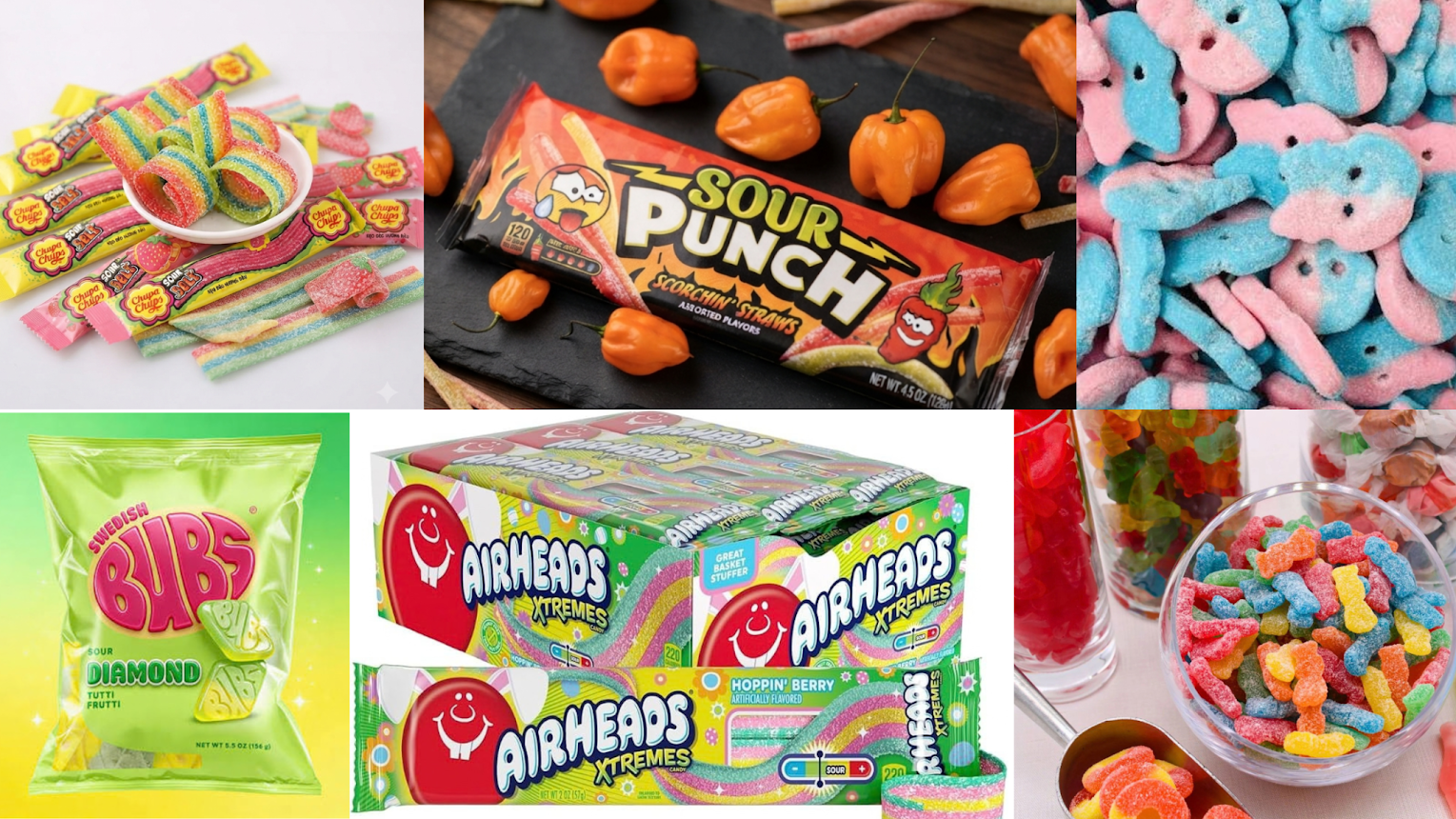
Sour candy is all about contrast. You get sweetness, fruit flavor, and a sharp acidic kick in the same bite. Some candies deliver that sour punch immediately, while others keep the tang going as you chew. The Best Sour Candy for you will depend on how intense you want the sourness to be, which flavors you like, and whether you prefer hard, gummy, chewy, or crunchy candy.
The options below cover different types of sour sweets rather than focusing only on extreme sourness. You will also find a quick comparison of their texture, flavor style, and overall sour intensity to make the choice easier.
Table of Contents
10 Best Sour Candy to Try
Sour candy varies in intensity, texture, and flavor. This list covers different options so you can find one that matches your taste.
1. Warheads
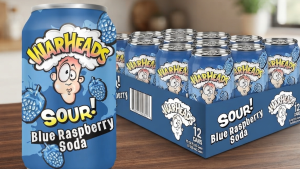
Warheads has been associated with extreme sour candy since it entered the U.S. market in the early 1990s. Its hard candies are known for an intense sour coating that gradually gives way to a sweeter center. That change in flavor is what makes Warheads more interesting than a candy that stays sour throughout.
The brand has also become closely associated with sour-candy challenges, where people try to keep the candy in their mouth despite the initial reaction. If you enjoy a strong sour hit and don’t mind waiting for the sweetness to arrive, Warheads is an obvious choice.
Sour intensity: Very high
Texture: Hard candy
Best for: Extreme sour fans
2. Toxic Waste
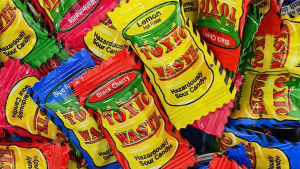
Toxic Waste takes a playful approach to extreme sour candy. Its candies come in recognizable barrel-shaped containers, while selected products use a Pucker Meter to indicate their sourness. The range includes fruit flavors such as lemon, apple, watermelon, and blue raspberry.
The hard candy starts with a powerful sour layer before becoming sweeter as you continue eating it. Compared with ordinary fruit candy, the sourness is very much part of the challenge. It’s a good option for people who have already tried mainstream sour sweets and want something more intense.
Sour intensity: Very high
Texture: Hard candy
Best for: Sour-candy challenges
3. Sour Patch Kids
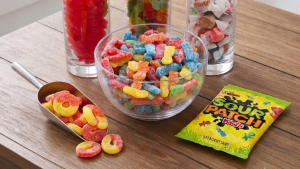
Sour Patch Kids originally appeared in the 1980s under the name Mars Men before taking on the name and identity they have today. The candy’s appeal comes from a simple combination: a tart sugar coating around a soft, fruity gummy.
Unlike Warheads and Toxic Waste, Sour Patch Kids aren’t designed around extreme sourness. The sweetness becomes noticeable almost immediately, making them easier to eat by the handful. The different fruit flavors also give you variety without changing the basic soft-gummy format.
They’re a strong choice when you want sour candy that works as an everyday snack rather than a one-piece challenge.
Sour intensity: Medium
Texture: Soft and chewy
Best for: Sweet-and-sour lovers
4. Airheads Xtremes
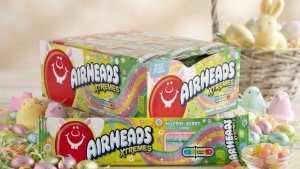
Airheads Xtremes put the brand’s familiar fruity flavor into long, flat strips covered with a sour coating. The strip format makes them different from small gummies and hard candies, especially if you prefer candy that takes longer to chew.
You can eat the strips whole or tear them into smaller pieces, and the combination of fruit flavor and tangy coating remains noticeable throughout. They’re not among the most aggressively sour choices on the list, but they offer a satisfying balance between tartness and sweetness.
Sour intensity: Medium-high
Texture: Chewy strip
Best for: Fruity sour-candy fans
5. Sour Skittles
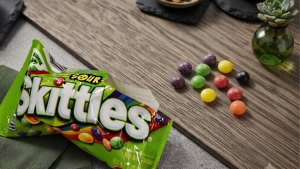
Sour Skittles take the familiar Skittles formula and give it a more tart exterior. The candy still has the crunchy shell and chewy center associated with the original, but the sour coating changes the first impression.
Another advantage is the assortment of fruit flavors. Instead of committing to one flavor for the whole packet, you can move between different options with each piece. The combination of crunch, chew, sweetness, and sourness also gives Sour Skittles more going on than a basic sour gummy.
Sour intensity: Medium-high
Texture: Crunchy shell with chewy center
Best for: People who like varied textures
6. Sour Punch Straws
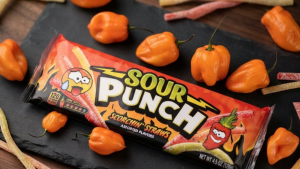
Sour Punch Straws are long, narrow pieces of chewy candy coated with a sour layer. Strawberry, blue raspberry, and watermelon are among the flavors commonly associated with the range.
Their shape is one of their defining features. Instead of popping a small gummy into your mouth, you can bite through the straw gradually, which makes the candy feel more substantial. The sourness is noticeable but doesn’t completely overpower the fruit flavor.
They’re a practical pick if you prefer chewy candy and want something that lasts longer than a small gummy.
Sour intensity: Medium
Texture: Chewy
Best for: Fruit-flavor fans
7. Sour Belts
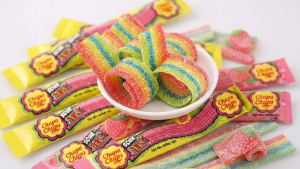
Sour belts are long, flat strips covered with a sweet-and-sour coating and sold in a wide range of fruit flavors. Unlike branded candies with a single established format, sour belts can vary considerably between manufacturers. Some are thin and flexible, while others are thicker and softer.
Their size also gives you more control over how you eat them. You can tear a belt into pieces, take small bites, or eat the entire strip gradually. They’re particularly suited to people who enjoy the chew of sour candy more than an intense burst of acidity.
Sour intensity: Medium
Texture: Flat and chewy
Best for: Long-lasting sour candy
8. Nerds Gummy Clusters
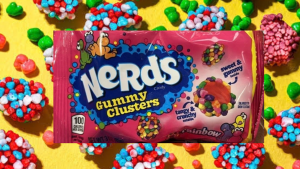
Nerds Gummy Clusters are built around a combination that most traditional sour candies don’t offer: a soft gummy center surrounded by crunchy Nerds pieces.
The contrast is immediate. You get the chewiness of the gummy alongside the crunch of the small candy pieces, with fruity sweetness and tartness throughout. This makes the product stand apart from regular gummies, where the texture remains mostly the same from start to finish.
If you like Nerds but want something more substantial than the original tiny pieces, Gummy Clusters offer a completely different way to eat the brand.
Sour intensity: Medium
Texture: Gummy and crunchy
Best for: Fans of contrasting textures
9. BUBS Sour Candy
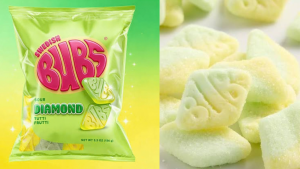
BUBS comes from Sweden and has developed a reputation for candy with unusual shapes and soft textures. Its sour range includes fruit-focused options that provide tanginess without making extreme sourness the main event.
The shapes are part of the appeal. Instead of another standard sour worm or bear, BUBS products often have distinctive designs that make them immediately recognizable. The soft consistency also separates them from harder sour candies.
It’s a worthwhile option if you’ve already tried the major American sour brands and want something with a different look, texture, and European candy style.
Sour intensity: Medium
Texture: Soft and chewy
Best for: Fans of unusual candy shapes
10. Sour Power
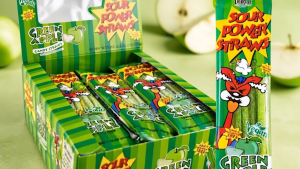
Sour Power makes several chewy sour formats, including belts and straws, with fruit flavors and tart coatings. Rather than competing mainly on extreme sourness, the range focuses on the combination of chewiness, sweetness, and fruit flavor.
That makes it closer to Sour Punch Straws and sour belts than to Warheads or Toxic Waste. The different shapes also give you some variety if you enjoy strip-style candy but don’t want to stick to one format.
It’s best suited to casual snacking, particularly if you prefer a sour candy that stays enjoyable throughout the chew instead of delivering one intense burst.
Sour intensity: Medium
Texture: Chewy
Best for: Casual sour-candy snacking
What Makes Sour Candy Sour?
The sour taste in candy comes primarily from food acids. Manufacturers can use different acids, either individually or in combination, to create the desired level and character of tartness.
1. Citric Acid
Citric acid is naturally present in citrus fruits and is widely used in food products to provide a sharp, tart taste. In sour candy, it can create the immediate sour sensation you notice when the coating hits your tongue. It works particularly well with fruit flavors, which is why it appears in many sour sweets and beverages.
2. Malic Acid
Malic acid occurs naturally in fruits such as apples. It produces a tart sensation that can feel different from citric acid and is commonly used in products where a stronger or lingering sour character is wanted. The type and amount of acid used can affect how a candy tastes even when two products have a similar sugar content.
3. Tartaric Acid
Tartaric acid occurs naturally in fruits such as grapes and is also used as a food acidulant. It has its own distinct tart profile and may be combined with other acids to create a particular flavor. This is one reason different brands of sour candy can have noticeably different types of sourness.
Sour Candy and Your Teeth
Sour candy can affect your teeth because the acids responsible for its tart taste can contribute to enamel erosion. Sugary candy can also contribute to tooth decay, particularly when eaten frequently.
You do not necessarily need to avoid sour candy altogether, but how often you eat it and how long it remains in your mouth can make a difference.
How to Reduce the Impact on Your Teeth
A few simple habits can help limit exposure to acid and sugar:
- Do not keep sour candy in your mouth for extended periods.
- Avoid eating small amounts repeatedly throughout the day.
- Drink water after eating sour candy.
- Maintain regular brushing and flossing.
- Wait before brushing after consuming acidic foods or drinks.
- Treat sour candy as an occasional snack rather than something to eat throughout the day.
What to Look for on a Sour Candy Label
If you want to compare different sour candy products, do not rely only on the packaging. The ingredient and nutrition panels can tell you more about what you are actually eating.
Look for:
- Food acids: Citric, malic, and tartaric acids are commonly used to create tartness.
- Sugar and sweeteners: These affect the balance between sweetness and sourness.
- Flavorings: These determine the fruit or other flavor profile.
- Serving size: Check how much the listed nutrition information represents.
- Allergen information: This is important if you have a known food allergy or sensitivity.
- Product-specific ingredients: Ingredients can vary between flavors, varieties, and countries.
Wrapping Up
The Best Sour Candy depends on the kind of sour experience you enjoy. Warheads and Toxic Waste suit anyone looking for a strong, sharp sour hit, while Sour Patch Kids and Sour Skittles offer a sweeter balance. If you prefer chewy candy, Airheads Xtremes, Sour Punch Straws, sour belts, and BUBS bring fruity flavors with a tangy coating. Nerds Gummy Clusters stand out for their mix of soft gummies and crunchy candy pieces. When choosing a sour treat, consider more than intensity alone. Flavor, texture, sweetness, ingredients, and serving size can all help you pick something that matches your taste and preferences.
Frequently Asked Questions (FAQs)
Q1. What is the Best Sour Candy?
The Best Sour Candy depends on your preferred level of sourness, flavor, and texture. Warheads and Toxic Waste are known for intense sourness, while Sour Patch Kids, Sour Skittles, and chewy sour candies offer a more balanced experience.
Q2. What makes sour candy sour?
Sour candy gets its tart taste from food acids such as citric acid, malic acid, and tartaric acid. The type and concentration of these acids affect the intensity and character of the sourness.
Q3. Is sour candy bad for your teeth?
Frequent consumption of sour candy can contribute to enamel erosion because of its acidity. The sugar in many sour candies can also increase the risk of tooth decay. Drinking water afterward and limiting how often you eat them can help reduce exposure.
Q4. Why does sour candy hurt your tongue?
Strongly acidic candy can produce an intense sensation on the tongue. Eating very sour candy for a long time can also irritate the soft tissues in your mouth, particularly when the candy has a highly acidic coating.
Q5. Can sour candy damage your mouth?
Eating large amounts of very sour candy can irritate your tongue and other areas of the mouth. Frequent exposure to acidic candy can also contribute to dental enamel erosion, so moderation is important.
 Shusree Mukherjee