
Every renovation begins with a simple question.
Should you tackle everything at once, or spread the work over several years?
There’s no universal answer. Some homeowners prefer to complete every project in a single renovation, while others improve their homes gradually as needs change. The right approach depends on your goals, budget, timeline, and the condition of your home.
Understanding the advantages and drawbacks of each strategy can help you make a decision that fits both your property and your lifestyle.
Table of Contents
The Appeal of a Full Renovation
Completing multiple projects during the same renovation has several advantages.
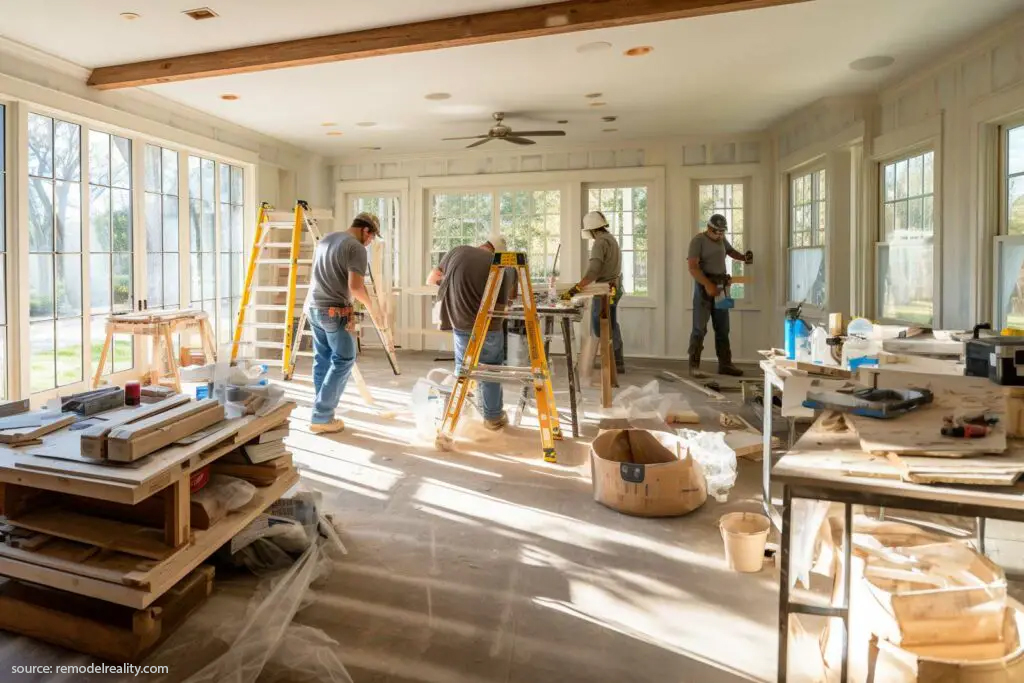
If contractors are already on site, it may be more efficient to replace flooring while walls are open, update electrical wiring during a kitchen remodel, or install new windows before repainting the interior. Combining related projects can reduce repeated labor, minimize disruptions, and create a more cohesive finished result.
A comprehensive renovation also allows homeowners to enjoy the transformation immediately instead of living through multiple construction projects over several years.
For older homes with aging systems, addressing several issues together can prevent one repair from affecting another later.
When Phased Renovations Make More Sense
Not every project needs to happen at once.
Many homeowners intentionally divide improvements into manageable stages. They might replace the roof this year, remodel the kitchen next year, and update landscaping after that.
This approach offers flexibility.
Living in the home between phases often provides valuable perspective. After completing one renovation, homeowners sometimes discover that another planned project is no longer necessary or decide to prioritize something completely different.
Phased renovations also make it easier to adjust plans as family needs evolve.
Some Projects Naturally Belong Together
Even when renovating in phases, certain improvements should be coordinated.
For example:
- Replace aging windows before repainting interior walls.
- Complete plumbing and electrical upgrades before installing new drywall.
- Address foundation or drainage issues before investing in cosmetic improvements.
- Install flooring after major structural work has been completed.
- Finish exterior repairs before investing heavily in landscaping.
Thinking about project order often saves both time and money.
Avoid Renovating Around Temporary Problems
It’s easy to focus on the room that’s most frustrating today.
A cramped bathroom or outdated kitchen may feel like the obvious priority, but cosmetic improvements shouldn’t come before structural repairs or systems that protect the home itself.
Roofing, drainage, plumbing leaks, HVAC equipment nearing the end of its service life, and electrical safety concerns usually deserve attention before aesthetic upgrades.
A beautiful renovation is far more valuable when the home’s essential systems are already in good condition.
Plan the Entire Journey, Even if You Build It Slowly
One mistake homeowners often make is planning only the next project.
A better approach is to develop a long-term vision for the property.
Imagine where you’d like your home to be five or even ten years from now. That roadmap helps determine which improvements should happen first and which can comfortably wait. Even if construction occurs in stages, each project becomes part of a larger plan rather than an isolated decision.
This long-term perspective also helps avoid situations where completed work must later be removed or modified to accommodate another renovation.
Don’t Forget the Hidden Costs
Renovation budgets usually focus on visible improvements.
Less attention is given to temporary storage, permit fees, debris removal, design revisions, utility upgrades, hotel stays during construction, or unexpected repairs uncovered after demolition begins.
Whether renovating all at once or in phases, setting aside a contingency fund helps reduce stress when surprises inevitably arise.
Think About Daily Life During Construction
A full-house renovation can be efficient, but it can also be disruptive.
Living without a kitchen, bathroom, or functioning HVAC system for weeks may not be realistic for every family.
In those situations, completing projects one area at a time may create a better balance between progress and comfort.
The shortest renovation isn’t always the easiest renovation.
Financing Can Influence the Strategy
The way a project is funded sometimes affects how homeowners choose to renovate.
Someone planning to remodel an entire home may approach the project differently than someone paying for improvements as they go. Because of that, some homeowners research renovation financing early, before finalizing their construction schedule. Understanding what’s available can help shape the overall renovation strategy rather than becoming a last-minute decision after designs are complete.
Renovation planning rarely happens in a straight line. One evening might be spent comparing flooring, the next reviewing local contractors, and another understanding the financial side of larger projects. It’s all part of building a realistic plan. Additional information is available by checking out websites such as Pasha Funding to learn more.
There’s No Perfect Timeline
Some homes benefit from a complete transformation completed over several months.
Others evolve gradually over many years, with each improvement building on the last.
What’s most important is making decisions intentionally. Prioritize repairs that protect the home, group projects that naturally belong together, and think several steps ahead before beginning construction.
Whether your renovation takes six months or six years, careful planning usually leads to better results than rushing to finish everything at once.