
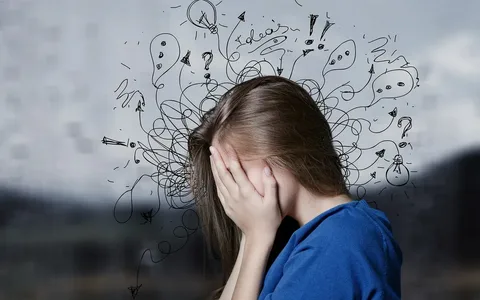
Have you seen the movie ‘Inside Out 2’? This movie is not just another movie; it’s a lesson for us about anxiety. This movie teaches that anxiety is different from fear. The difference is that fear occurs when something that frightens you is in front of you. Anxiety is when you worry about the things that are waiting for you in the future. This is a lesson we must learn.
In this movie, anxiety is shown as a character. Anxiety loves Riley and cares for her; because of that, she takes over Riley’s brain. She starts planning every move of her life. She wants Riley to fit in with new friends and join the hockey team. She is trying to help, but fails to realize she is only making things worse.
Key features of anxiety from the movie:
- Wants to save us from the problems that might await us in the future.
- Wants to control everything around us.
- Too much control never makes anxiety weak; it makes it stronger.
- Can make us do things that we don’t feel are right.
- Anxiety is not our enemy; we just have to understand it and help her.
However, one thing we have to remember is that anxiety may be a part of your life, but it doesn’t have to be controlled by it. There are healthier ways to manage, such as doing different activities, asking for help if needed, and treating ourselves as we would treat our friends. Nothing is impossible in the digital world, as expert psychiatric care has become easier with an online psychiatrist.
Let’s learn more about ‘inside-out’ Anxiety in detail.
Table of Contents
Inside Out Anxiety Symptoms
As shown in the movie, when anxiety takes over, the symptoms and signs are similar to those of the main character, Riley, and other people suffering from anxiety.
Physical symptoms of anxiety:
When anxiety is too high, our body reacts in different ways:
- A fast heartbeat or a feeling that it will come out of our chest.
- Breathing, which is hard to control.
- Sweating even if it’s not hot.
- Shaky hands and legs.
- Feeling sick in the stomach.
- Frequent headache.
- Fatigue.
- Muscle stiffness around the neck and shoulder.
Cognitive symptoms of anxiety: Anxiety also affects our thought process and perception:
- Jumping thoughts from one problem to another.
- Thinking of the worst scenario that can happen.
- Not able to focus on the work.
- A feeling that something bad is going to happen to you.
- Worrying about things that are out of our control.
- Feeling fidgety most of the time.
- Not able to make even the smallest of decisions.
Behavioural changes: When anxiety becomes too much, it persists, and you may start showing new behaviour:
- Trying to avoid the fearful feeling by avoiding situations that frighten you.
- Repeating the same questions again and again.
- Checking things multiple times.
- Having difficulty in decision-making.
- Getting annoyed or irritated with the people with whom you interact every day.
- Acting abnormally.
The initial feelings can be terrifying. Many people feel that their bodies are malfunctioning. They may even rush to a doctor, thinking that they have some heart disease.
What causes anxiety in the brain?
In a few words, it’s a warning system in our body, designed to save us from danger. A long time ago, this response was used to help humans escape or fight for their lives.
Now, we do not have to worry about predators, but our alert response is still active. It can be triggered by school or work, romance, health, money issues, etc. In this case, we release chemicals into our bodies that make us alert and able to fight the issue or run away. This is why our heart rate increases and breathing becomes shallow.
The Things That Make You Anxious:
Different things set off anxiety in everyone. Examples include:
Life Changes:
- New job or school
- Residence shifting
- Relationship issues
- Health issues
- Money issues
Daily Stress:
- Too much work
- Lack of sleep
- Excessive coffee or alcohol consumption
- Skipping meals
- Problems with other people
Things To Help Anxiety:
When we feel anxious, there are many things that we can do to help calm ourselves down. These are simple things that everyone can learn and practice.
Breathing techniques: When we are anxious, it is easy to tell because we are breathing shallow and fast. Deep, slow breathing is good for the whole body. Place feet firmly on the ground. Breathe in through the nose for a count of 4. Hold for a count of 2. Slowly breathe out through the mouth for a count of 6. Repeat 5-10 times.
Grounding techniques: These will teach you how to focus on the present moment instead of the future. Look around and name 5 things you see. Listen carefully and name 4 things you hear. Touch things and name 3 things you feel. Notice 2 things you smell. Notice 1 thing you taste.
Write down your thoughts: Sometimes writing something down that you are worried about can take the power out of it and your anxiety. Write down what you are worried about. Ask yourself, What can I do about this today? Write down small steps you can take. If it is something you have no control over, say to yourself, This is not helpful right now.
Self-talk technique: When anxiety takes over you, try to soothe yourself like a friend. Tell yourself, “Thank you for trying to keep me safe, but I am safe now. You never know how this feeling will end. One step at a time is the way to go. It’s normal to feel anxious. I don’t have to be perfect.”
Healthy daily habits: There are some daily habits that can reduce your anxiety over time. They work best if you practice them all the time, not just when you are in a state of anxiety.
- Sleep habits: Go to sleep and wake up at the same time every day. Avoid screen time at least 1 hour before bedtime. Keep the bedroom cool, dark, and quiet. Avoid caffeine after 2 pm.
- Eating habits: Eat at regular times. If you find that caffeine makes you jittery, decrease your intake. Drink water throughout the day. Avoid eating when stressed.
- Movement/exercise habits: Take a short walk. Especially outdoors. Lightly stretch when upset. Do something fun. Engage in activities that feel like play, not work.
When to Seek Professional Help?
In cases where anxiety becomes so severe that self-help techniques alone cannot be addressed. Thus, seeking professional help from a mental health professional is the best choice. Mental health professionals are better able to diagnose and manage anxiety because they understand its nature. Seeking treatment is simply smart personal management, and not a sign of weakness.
Signs that you may need professional help:
- Anxiety prevents you from doing daily tasks that you should or want to do.
- You avoid places or people because of anxiety.
- Physical symptoms, such as headaches, become more frequent.
- This anxiety has been going on for a month now.
- You feel so hopeless that you can’t see things getting better.
- You have frequent panic attacks that disrupt your life.
What to expect from professional help:
- A safe place to express your feelings without fear of judgment
- Help in identifying your specific type of anxiety
- Relearning new and effective ways to cope with your condition
- Continuous guidance to gradually and safely confront your fears
- Diagnosis of medication when lifestyle changes and psychotherapy don’t work
Living well with anxiety
Millions of people live good and happy lives despite struggling with anxiety. Having anxiety doesn’t mean your life is limited. It’s simply a part of your life that you can learn to manage. Thus, if you are struggling with persistent anxiety or panic, it can be treated by connecting with an anxiety specialist near me or an anxiety doctor online, who provides easy and personalized care.
Remember that the recovery process isn’t consistent. It’s normal to face difficulties and obstacles along the way. There will be times when you feel you’ve mastered your anxiety, and times when it feels out of control. This is normal and not a sign of failure.
 vinay
vinay