
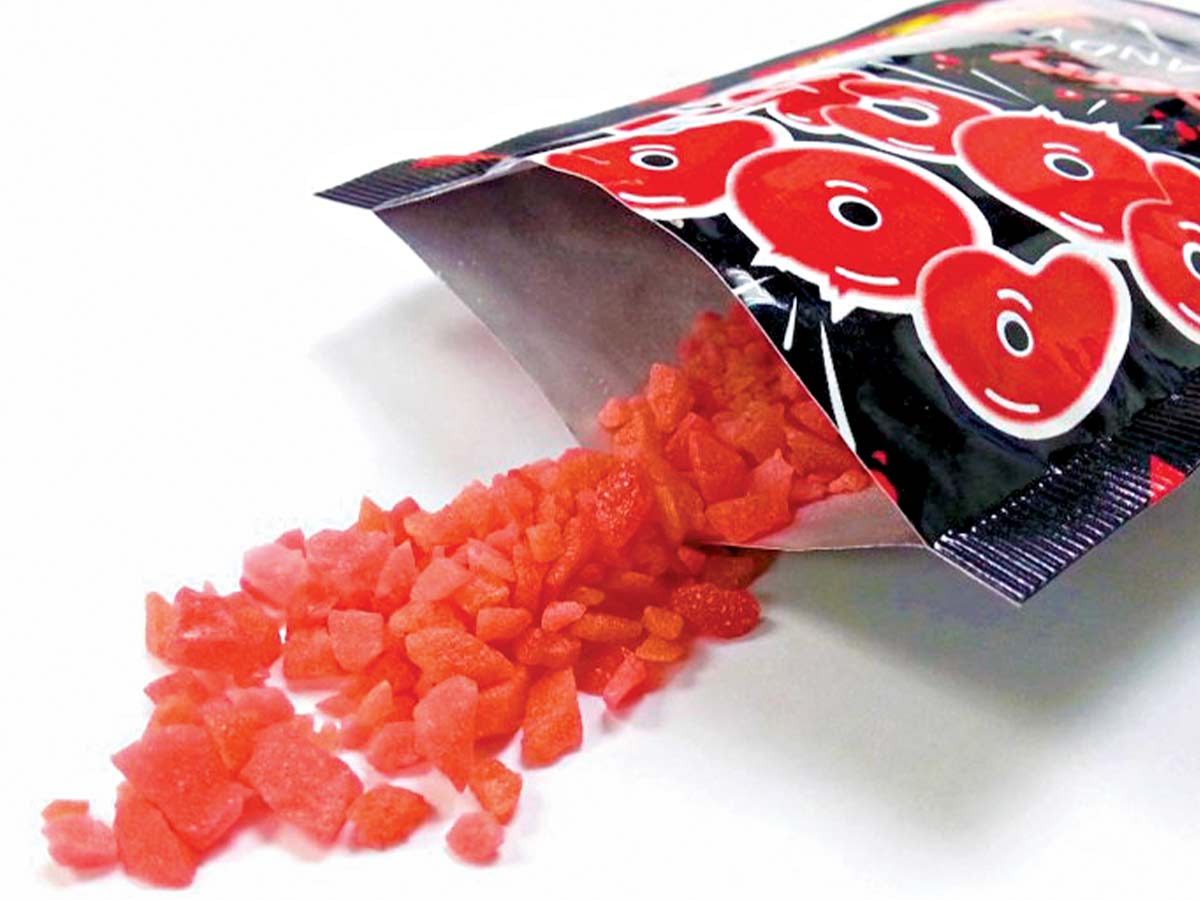
Pop Rocks are one of the most unusual candies ever created. The moment you place them in your mouth, they start crackling, fizzing, and popping on your tongue. This unique experience has made the candy popular for decades among both kids and adults. Many people still wonder what makes pop rocks create that strange popping sensation. The answer lies in a smart candy-making process that traps carbon dioxide gas inside hardened sugar crystals. When the candy dissolves, the gas escapes and creates tiny bursts. In this article, you will learn how Pop Rocks are made, why they pop, their history, safety facts, and more.
Table of Contents
What Makes Pop Rocks?
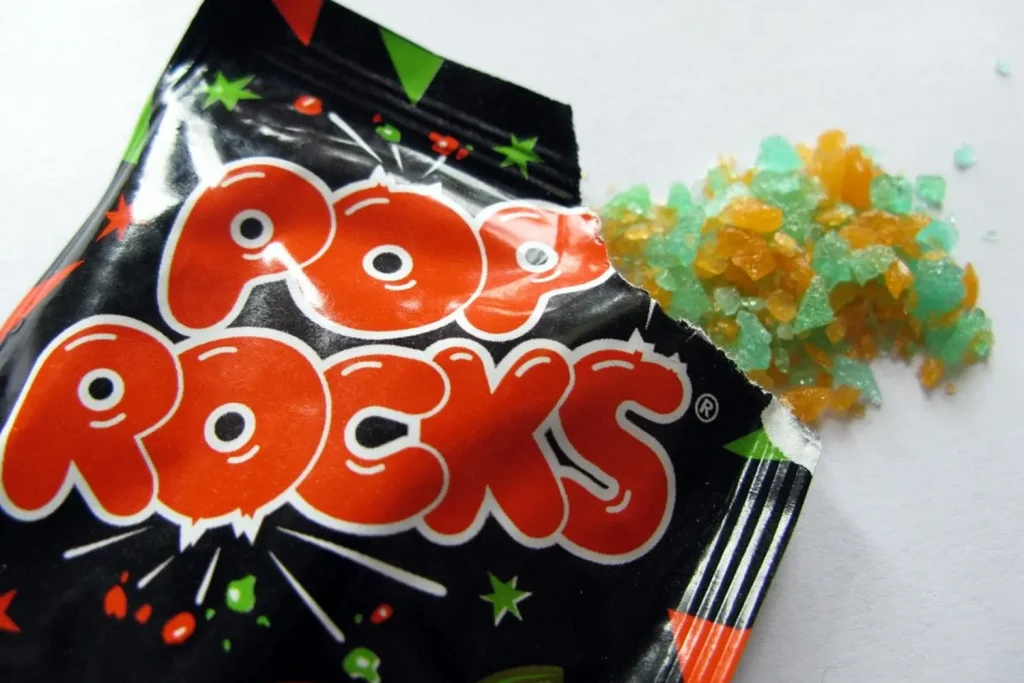
The secret behind Pop Rocks comes from compressed carbon dioxide gas trapped inside candy pieces under high pressure. During manufacturing, candy makers heat sugar syrup and mix it with carbon dioxide gas at extremely high pressure levels. As the candy cools and hardens, tiny gas bubbles become sealed inside the candy structure.
When you place Pop Rocks in your mouth, saliva begins dissolving the candy surface. As the candy melts, the trapped gas pockets burst open and release carbon dioxide rapidly. This creates:
- Crackling sounds
- Fizzy sensations
- Tiny popping feelings on your tongue
The popping effect is physical rather than explosive. There is no dangerous reaction happening in your mouth. It is simply pressurized gas escaping from hardened candy. This process is similar to carbonation in soda, except the gas is trapped inside solid candy instead of liquid.
Main Ingredients in Pop Rocks
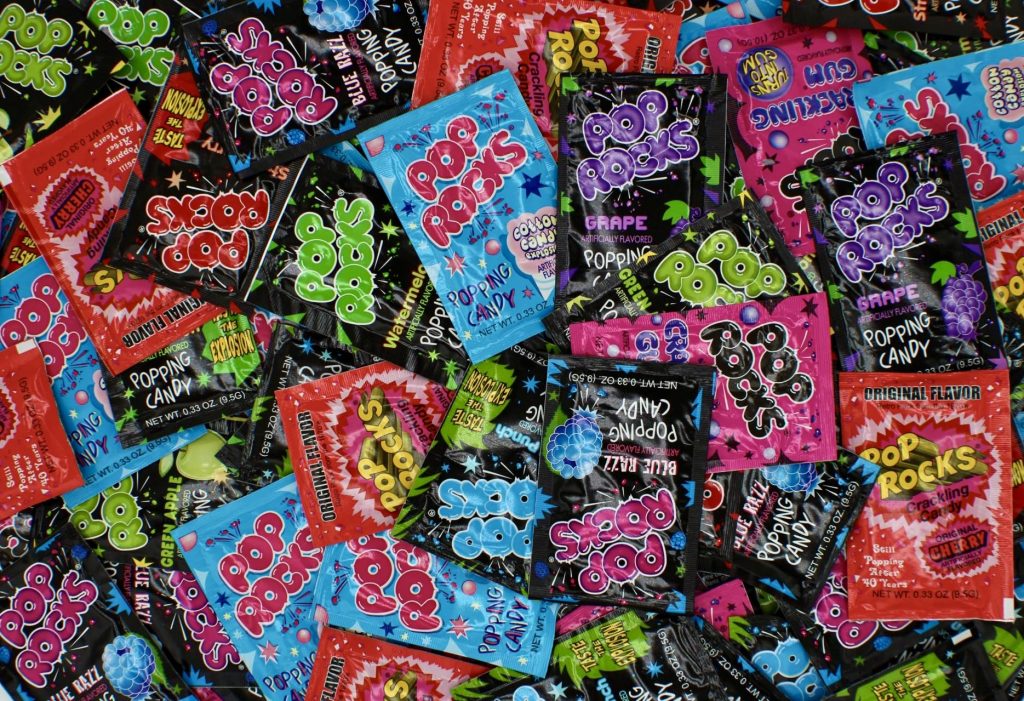
Although Pop Rocks seem unusual, the ingredients used to make them are fairly simple and commonly found in candy products.
- Sugar: Sugar acts as the main ingredient and gives the candy its sweet taste and solid texture.
- Corn Syrup: Corn syrup helps hold the candy together and prevents it from becoming too hard or brittle.
- Lactose: Lactose improves the texture and helps create a smoother candy structure during production.
- Flavoring Agents: Different flavors are added to create popular varieties like strawberry, watermelon, cola, grape, and blue raspberry.
- Food Coloring: Coloring gives Pop Rocks their bright and attractive appearance.
- Carbon Dioxide Gas: Carbon dioxide is the key ingredient responsible for the popping effect. The gas becomes trapped inside the candy during manufacturing and stays sealed until the candy dissolves in your mouth.
Many people are surprised to learn that Pop Rocks contain the same type of carbon dioxide gas used in soft drinks and sparkling beverages. The main difference is that the gas is trapped inside solid candy instead of liquid.
The Science Behind Pop Rocks
The famous popping sound of Pop Rocks comes from trapped carbon dioxide gas inside the candy. During production, the melted candy mixture is exposed to carbon dioxide under extremely high pressure, sometimes reaching around 600 pounds per square inch. As the candy cools and hardens, tiny gas bubbles become sealed inside each candy piece.
When you place Pop Rocks in your mouth, saliva slowly dissolves the candy shell. As the outer layer melts, the trapped gas bubbles suddenly burst open and release pressure. This creates the crackling sounds and tiny popping sensations you hear and feel on your tongue.
Even though the candy pieces are small, hundreds of miniature gas bursts happen at once, which makes the popping sound surprisingly loud.
Why Pop Rocks Feel Fizzy
The fizzy feeling comes from carbon dioxide gas escaping rapidly inside your mouth. Your tongue contains sensitive nerve endings that react to pressure and movement, so when multiple gas bubbles burst together, you feel:
- Tingling sensations
- Crackling effects
- Tiny bubbling movements
The experience is similar to drinking soda, but much stronger because the gas bursts directly on your tongue instead of inside a liquid.
Is It a Chemical Reaction?
No, Pop Rocks do not create a dangerous chemical reaction. The gas is already trapped inside the candy before you eat it. Saliva simply melts the candy coating and releases the pressurized carbon dioxide.
The popping effect mainly happens because of:
- Gas expansion
- Pressure release
- Candy dissolving in moisture
That is why what makes pop rocks such an interesting topic. The candy may seem unusual, but the science behind it is actually simple and clever.
How Are Pop Rocks Made?
The process used to make Pop Rocks is what gives the candy its unique popping effect. Although the ingredients are simple, the manufacturing method is very different from regular hard candy production.
1. Heating the Candy Mixture
The process starts by heating sugar, corn syrup, lactose, and water together to form a thick liquid syrup. The mixture is cooked at high temperatures to remove moisture and create the hard candy texture needed for carbonation.
Once the syrup reaches the correct consistency, flavorings and food colors are added to create different Pop Rocks varieties.
2. Injecting Carbon Dioxide Gas
After the candy syrup is prepared, it is placed inside a sealed chamber filled with carbon dioxide gas under extremely high pressure. The pressure forces tiny gas bubbles into the liquid candy mixture.
This is the most important step in the process because it creates the trapped gas pockets responsible for the popping effect.
As the candy cools and hardens under pressure, the carbon dioxide remains sealed inside small bubbles throughout the candy structure.
3. Breaking the Candy into Pieces
Once fully hardened, the candy forms large solid sheets. Manufacturers then break these sheets into smaller crystal-like pieces.
Each small candy piece contains hundreds of tiny pressurized gas bubbles. When the candy dissolves in your mouth, those bubbles burst open and create the crackling sensation Pop Rocks are known for.
4. Airtight Packaging
Pop Rocks are highly sensitive to moisture and air. If humidity reaches the candy too early, some of the trapped carbon dioxide escapes before you eat it.
To prevent this, the candy is packed in airtight foil packets that help preserve the popping effect. This special packaging keeps the candy fresh and maintains its fizzy texture until the packet is opened.
The History of Pop Rocks
Pop Rocks were invented by William A. Mitchell while working for General Foods. Interestingly, the candy was discovered accidentally during experiments aimed at creating instant carbonated drinks.
Although the original idea did not succeed, the popping candy effect turned into a completely new and exciting product. Mitchell later became known for creating several popular food items, but Pop Rocks remained one of his most famous inventions.
Popularity in the 1970s
Pop Rocks became available in stores during the 1970s and quickly gained attention because of their unusual crackling and fizzy sensation. Children especially loved the candy because it felt completely different from traditional sweets.
The unique popping sound and fun texture helped the candy become popular worldwide. Television advertisements and word-of-mouth also played a big role in making Pop Rocks a well-known name.
Over time, the success of Pop Rocks inspired many similar products, including:
- Popping chocolates
- Crackling ice cream toppings
- Fizzy lollipops
- Carbonated candy bars
Even today, Pop Rocks remain one of the most recognizable nostalgic candies.
The Soda Myth
One of the biggest rumors about Pop Rocks claimed that eating the candy with soda could cause a person’s stomach to explode. The story spread quickly among school children and eventually became a famous urban legend.
In reality, the amount of carbon dioxide inside Pop Rocks is very small and harmless for normal consumption. Medical experts and food safety authorities later confirmed that the rumor was completely false.
Ironically, the myth made Pop Rocks even more popular because many people became curious about trying the candy themselves.
Fun Facts About Pop Rocks
- Pop Rocks were accidentally invented during experiments to create instant carbonated drinks. Instead of a beverage, the experiment led to a candy that crackles and pops in your mouth.
- The popping sounds are completely real. Tiny pockets of pressurized carbon dioxide burst open as the candy dissolves, creating the crackling effect.
- Today, Pop Rocks are often used in desserts like cakes, cupcakes, milkshakes, ice cream, and chocolate treats. The fizzy texture adds a fun surprise to sweet dishes.
- Making real Pop Rocks at home is difficult because the candy requires high-pressure equipment to trap carbon dioxide gas inside the sugar crystals. Homemade versions usually cannot create the same strong popping sensation.
Conclusion
Pop Rocks remain one of the most unique candies ever created because of their crackling and fizzy effect. The secret behind what makes pop rocks lies in tiny pockets of pressurized carbon dioxide trapped inside hardened candy crystals. When the candy melts in your mouth, the gas escapes and creates the familiar popping sensation people enjoy. What started as an accidental invention later became a worldwide favorite among both children and adults. From their interesting science to their nostalgic popularity, Pop Rocks continue to stand out from ordinary candies. Their unusual texture, sound, and flavor make them a fun treat that people still love today.
Frequently Asked Questions (FAQs)
Q1. What makes Pop Rocks pop in your mouth?
Pop Rocks contain tiny pockets of pressurized carbon dioxide gas trapped inside the candy. When the candy dissolves in saliva, the gas escapes and creates the popping and crackling sensation.
Q2. Are Pop Rocks safe to eat?
Yes, Pop Rocks are generally safe to eat. The popping effect comes from carbon dioxide gas, which is also commonly found in soft drinks and sparkling beverages.
Q3. Why do Pop Rocks feel fizzy?
The fizzy feeling happens because the trapped gas bubbles burst rapidly on your tongue as the candy melts, creating tingling and bubbling sensations.
Q4. Can you eat Pop Rocks with soda?
Yes, you can safely eat Pop Rocks with soda. The old rumor about stomach explosions is completely false and has no scientific proof.
Q5. Why are Pop Rocks packed in foil packets?
Pop Rocks are sensitive to moisture and air. Airtight foil packaging helps keep the trapped carbon dioxide inside the candy so the popping effect stays fresh.