
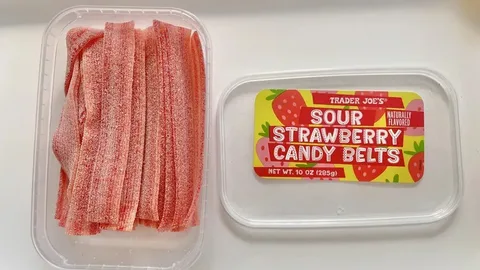
Sour Belts candy is long, flat, chewy candy strips are coated with a layer of sour sugar that creates an immediate burst of tartness before giving way to a fruity sweetness. Their soft texture, vibrant colors, and wide variety of flavors have made them a popular choice among both children and adults.
Unlike traditional gummy candies, sour belts are designed to offer a longer-lasting chewy experience. They’re easy to tear into smaller pieces, making them a fun snack to share or use in desserts, party platters, and candy buffets. Whether you’re craving classic strawberry, blue raspberry, or a tropical flavor, there’s a sour belt for almost every taste preference.
Table of Contents
The Story Behind Sour Belts Candy
Sour candy has been around for decades, but sour belts introduced a different experience by combining a soft, ribbon-like texture with an intense sour coating. As demand for bold and fruity candies grew, manufacturers began producing sour belts in more flavors, colors, and sizes to appeal to a wider audience.
Today, you’ll find sour belts sold individually, in resealable bags, mixed candy assortments, and bulk packaging. Brands continue experimenting with new flavor combinations, giving candy lovers plenty of options beyond the traditional fruit varieties.
What Makes Sour Belts Candy Different?
Unique Ribbon Shape: Sour belts stand out because of their long, flat ribbon shape. Unlike regular gummies, they can be twisted, folded, or cut into pieces, making them popular for snacks and dessert decorations.
Soft and Chewy Texture: Their flexible, chewy texture offers a satisfying bite without being too sticky. Fresh sour belts are soft enough to bend while still holding their shape.
Signature Sour Coating: The sour sugar coating creates the bold tangy flavor people love. As it dissolves, the fruity sweetness underneath balances the sour kick.
Wide Flavor Selection: From classic fruit flavors to unique combinations, sour belts come in a variety of options to match different taste preferences.
How Sour Belts Candy Is Made
Although recipes vary by manufacturer, the basic production process is fairly similar. The ingredients are first blended into a smooth candy mixture before being cooked to achieve the right consistency. Once prepared, the mixture is rolled into thin sheets and cut into long strips. After cooling, each strip is coated with a mixture of sugar and food-grade souring agents, such as citric acid or malic acid, which give the candy its signature tang.
Finally, the belts are packaged carefully to help maintain their freshness and chewy texture. Proper packaging also prevents moisture from affecting the sour coating.
Ingredients Found in Sour Belts Candy
The ingredient list may differ slightly depending on the brand, but most sour belts include similar components.
- Sugar: Sugar provides the sweetness that balances the candy’s tart flavor. It is also used in the outer coating alongside souring agents.
- Glucose Syrup: Glucose syrup helps create the chewy consistency that sour belts are known for while preventing the candy from becoming too brittle.
- Wheat Flour or Starch: Many sour belts use wheat flour or modified starch to improve texture. Because ingredients vary, people with gluten sensitivities should always read the product label before purchasing.
- Citric Acid and Malic Acid: These naturally occurring food acids are responsible for the candy’s sour taste. Citric acid delivers a quick burst of tartness, while malic acid creates a stronger and longer-lasting sour sensation.
- Flavorings: Manufacturers use natural, artificial, or a combination of both flavorings to create popular varieties such as strawberry, watermelon, blue raspberry, mango, cherry, and green apple.
- Food Coloring: Bright colors help distinguish different flavors and give sour belts their eye-catching appearance.
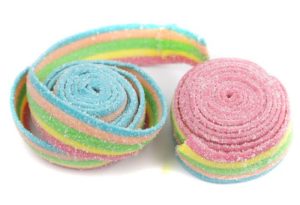
Why Is Sour Belts Candy So Sour?
If you’ve ever wondered why the first bite feels much more intense than the rest, the answer lies in the candy’s coating. The outer layer contains fine sugar crystals mixed with souring agents like citric acid and malic acid. These ingredients activate the taste receptors on your tongue almost instantly, producing the familiar tangy sensation. As the coating dissolves, the sweetness of the candy gradually becomes more noticeable, creating the balance that makes sour belts so enjoyable.
Some brands use a higher concentration of malic acid, resulting in a stronger sour flavor that lasts longer. Others focus on a milder balance, making the candy enjoyable for those who prefer less intensity.
Most Popular Sour Belts Candy Flavors
One of the reasons sour belts continue to attract candy lovers is the impressive variety of flavors available.
1. Strawberry
A classic favorite, strawberry sour belts offer the perfect balance of fruity sweetness and gentle tartness. They’re often one of the best-selling options in candy stores.
2. Blue Raspberry
Blue raspberry delivers a bold, tangy flavor with a slightly sweeter finish. Its bright blue color also makes it one of the most recognizable varieties.
3. Watermelon
Watermelon sour belts combine refreshing fruit flavor with a moderate sour kick, making them a popular summer treat.
4. Green Apple
If you enjoy a sharper, tangier candy, green apple is an excellent choice. It naturally complements the sour sugar coating.
5. Rainbow
Rainbow sour belts combine multiple fruit flavors into one colorful strip, offering a different taste throughout each bite.
6. Cherry
Cherry provides a rich fruit flavor that pairs well with the candy’s tangy coating. It’s a favorite for people who enjoy slightly deeper fruit notes.
7. Mango
Mango sour belts offer a tropical twist, combining juicy sweetness with just enough tartness to keep every bite exciting.
8. Pink Lemonade
Pink lemonade varieties are especially popular during warmer months. Their citrus-inspired flavor delivers both sweetness and refreshing acidity.
9. Cotton Candy
Some manufacturers have introduced cotton candy sour belts for those looking for something different. These combine the familiar sour coating with a sweeter candy flavor profile.
With new seasonal and limited-edition releases appearing regularly, candy enthusiasts can always discover fresh flavors to try.
Nutritional Information You Should Know
Like most confectionery treats, sour belts candy is best enjoyed in moderation. The exact nutritional values vary by brand and serving size, but most sour belts are primarily made from carbohydrates and sugar.
A typical serving contains around 100 to 150 calories, with most of those calories coming from sugars. Sour belts generally contain little to no fat and only a small amount of protein. Since nutritional labels differ between manufacturers, it’s always a good idea to check the packaging if you’re monitoring your sugar intake or following a specific diet.
While sour belts can satisfy your sweet cravings, eating large amounts in one sitting may contribute to excess sugar consumption. Enjoying a few pieces as an occasional treat is the best approach.
Is Sour Belts Candy Vegan, Vegetarian, Halal, or Gluten-Free?
There isn’t a single answer because recipes differ between brands.
1. Vegan
Some sour belts are vegan-friendly because they don’t contain gelatin or other animal-derived ingredients. Others may include ingredients that aren’t suitable for a vegan diet. Always check the ingredient list before purchasing.
2. Vegetarian
Many sour belts are suitable for vegetarians, especially those made without gelatin. However, it’s still worth reading the label, as recipes can change.
3. Halal
Several manufacturers produce halal-certified sour belts, while others do not carry certification. If halal certification is important to you, look for the official halal logo on the packaging.
4. Gluten-Free
Not all sour belts are gluten-free. Some contain wheat flour or are produced in facilities that process gluten-containing ingredients. Anyone with celiac disease or gluten sensitivity should verify the label before consuming them.
How to Store Sour Belts Candy Properly
Proper storage helps preserve the candy’s chewy texture and sour coating. Keep sour belts in a cool, dry place away from direct sunlight and heat. After opening the package, reseal it tightly or transfer the candy to an airtight container. This prevents moisture from making the sugar coating sticky and helps the belts stay soft for longer.
Avoid storing candy in humid areas, as excess moisture can affect both the texture and flavor. If stored correctly, unopened sour belts typically stay fresh for several months, while opened packages are best enjoyed within a few weeks.
Sour Belts Candy vs. Other Sour Candies
With so many sour treats available, you may wonder how sour belts compare. Sour belts are softer and flatter than sour straws, making them easier to tear and chew. Compared to gummy worms, they usually have a more intense sour coating and a stronger fruity flavor.
Sour ropes are often thicker and may contain a filled center, while traditional sour belts focus on a simple chewy texture with an even coating of sour sugar.
If you enjoy a candy that balances sweetness with a satisfying chew, sour belts remain one of the most popular choices.
How to Choose the Best Sour Belts Candy
Not every sour belts candy offers the same taste and texture. Consider these factors before buying:
- Choose the Right Flavor: Pick a flavor based on your preference. Strawberry and watermelon are great choices for beginners, while green apple and blue raspberry offer a stronger sour taste.
- Check Freshness: Fresh sour belts should feel soft and flexible. Avoid candy that looks dry, hard, or overly sticky.
- Review Ingredients: Always check the ingredient list if you have allergies or dietary preferences, such as vegan, halal, or gluten-free requirements.
- Compare Package Sizes: Choose a package size that fits your needs, especially when buying sour belts for parties, events, or sharing.
Are Sour Belts Candy Safe for Children?
Most children enjoy sour belts, but parents should serve them responsibly. Because sour belts are high in sugar, it’s best to offer them as an occasional treat rather than an everyday snack. Younger children should always be supervised while eating chewy candy to reduce the risk of choking. Brushing teeth after enjoying sugary treats can also help support good dental hygiene.
Wrapping Up
Whether you’re a longtime sour candy fan or trying them for the first time, sour belts candy offers a fun combination of fruity flavors, chewy texture, and a mouth-puckering sour kick that’s hard to resist. With dozens of flavors available—from classic strawberry and blue raspberry to tropical favorites and rainbow varieties—there’s something for nearly everyone.
Before buying, take a moment to compare ingredients, dietary certifications, and freshness, especially if you have specific dietary needs. Proper storage will help maintain the candy’s soft texture and signature sour coating, while enjoying it in moderation lets you satisfy your sweet tooth without overindulging.
Frequently Asked Questions (FAQs)
Q1. What is sour belts candy made of?
Most sour belts are made with sugar, glucose syrup, wheat flour or starch, food acids like citric and malic acid, flavorings, and food coloring. The exact ingredients vary by brand.
Q2. Why are sour belts so sour?
Their sour taste comes from a coating of sugar mixed with food acids, primarily citric acid and malic acid.
Q3. Are sour belts vegan?
Some are vegan, while others are not. Always check the ingredient label for confirmation.
Q4. Do sour belts contain gelatin?
Many brands do not use gelatin, but recipes vary. Reading the packaging is the safest option.
Q5. Are sour belts gluten-free?
Not always. Some products contain wheat or may be processed in facilities that handle gluten.
Q6. How many calories are in sour belts candy?
Most servings contain approximately 100–150 calories, depending on the brand and serving size.
Q7. Can you freeze sour belts candy?
Yes. Freezing is possible, although refrigeration or storing them in an airtight container at room temperature is usually enough to maintain freshness.