
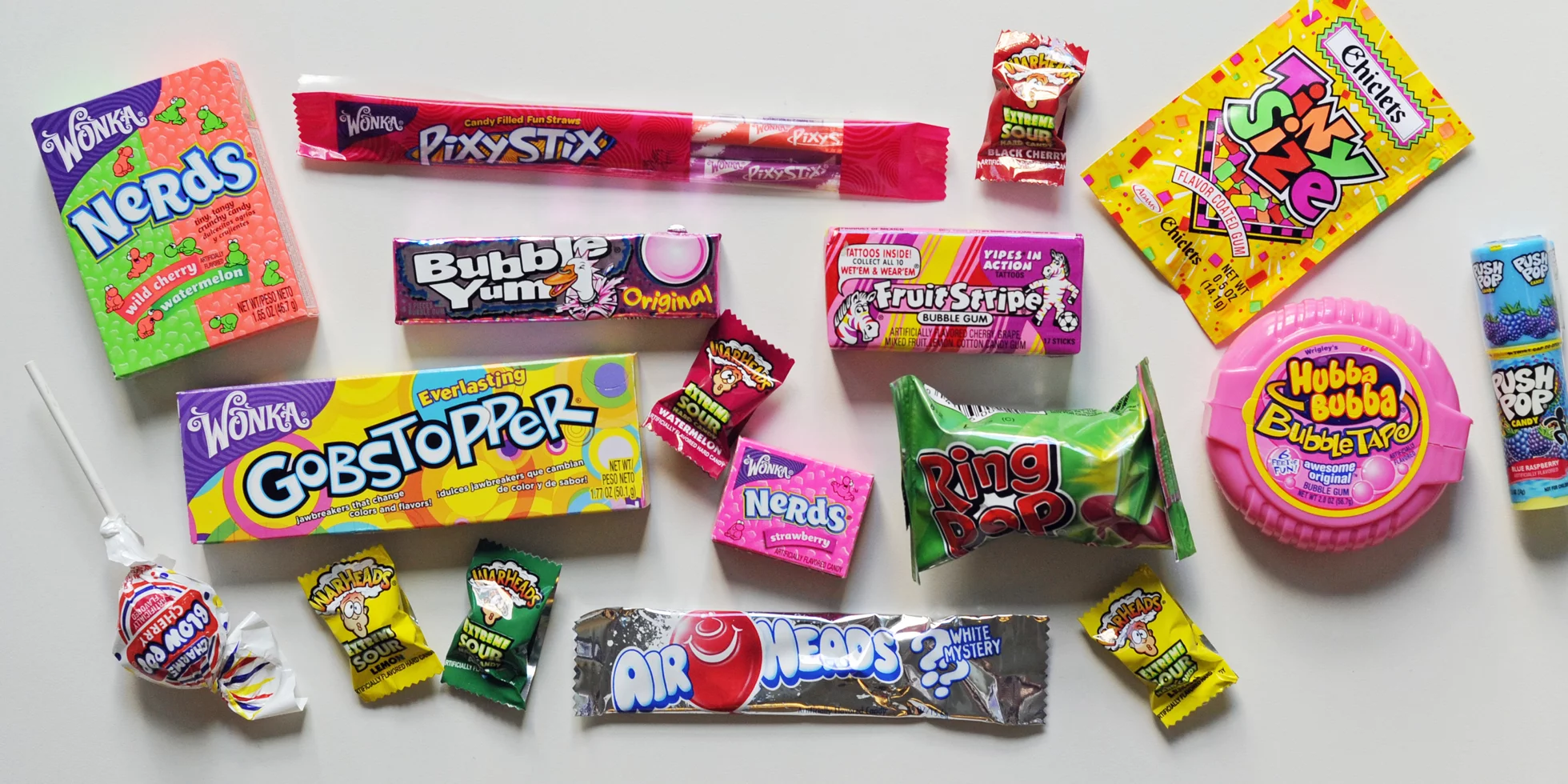
If you grew up in the 1990s, you probably remember spending pocket money on your favorite sweets after school. From sour candies that made your eyes water to colorful bubble gums shared with friends, candy from the 90s became a huge part of childhood memories. Products like Warheads, Bubble Tape, Push Pop, Melody, and Baby Bottle Pop stood out because of their fun flavors and creative packaging. Candy during that decade was more than just a snack. It was connected with cartoons, birthday parties, school breaks, and weekend fun. In this article, you are going to relive those unforgettable 90s candy memories once again. Even today, many people search for retro candy to reconnect with those sweet childhood moments.
Table of Contents
Popular Candy from the 90s That Every Kid Wanted
The 1990s gave children some of the most unforgettable candy flavors and packaging styles ever created. From extremely sour treats to chewy fruit candy and classic bubble gum, these sweets became an important part of school memories and childhood fun.
1. Sour Candy Craze of the 90s
The sour candy trend completely changed the candy market during the 1990s. Kids loved challenging each other to eat the strongest sour candy without reacting.
Warheads
Warheads became one of the most famous sour candies ever created. The intense sour coating lasted only a few seconds, but those few seconds felt powerful enough to make your eyes water instantly. Children often treated Warheads like a game or challenge instead of regular candy.
Shockers
Shockers mixed sweetness and sourness perfectly. Their chewy texture made them even more addictive among kids and teenagers.
Even though the candy became harder to find later, people still remember its original flavor fondly.
Toxic Waste
Toxic Waste became popular because of its dramatic branding. The candy came inside a container designed like a hazardous waste drum, which immediately attracted children. The strong sour flavor turned it into one of the most talked-about candies of the decade.
Fruity and Chewy Candies
Fruity and chewy candies became playground favorites during the 90s because they lasted longer, tasted sweeter, and were easy to share with friends.
Airheads
Airheads became famous because of their soft chewy texture and fruity taste. The candy stretched easily, making it fun to eat and share with friends. Flavors like cherry, watermelon, and blue raspberry became especially popular.
Nerds
Nerds looked tiny, but their flavor was surprisingly strong. Kids loved the crunchy texture and colorful appearance. The double-flavor box packaging also made the candy stand out from competitors.
Push Pop
Push Pop changed how children ate lollipops. Instead of finishing candy quickly, kids could close the cap and save it for later. That small feature made Push Pop feel modern and playful during the 90s.
Baby Bottle Pop
Baby Bottle Pop combined hard candy with flavored powder. The dipping process itself became part of the experience. The product became one of the most recognizable novelty candies from the 90s because it looked different from regular sweets.
Chocolate and Caramel Favorites
Not every popular 90s candy was sour or fruity. Chocolate and caramel treats also had a strong fan following.
Cookie Dough Bites
Cookie Dough Bites became extremely popular in movie theaters. The small chocolate-covered pieces tasted similar to raw cookie dough, which instantly attracted children and teenagers.
Peanut Butter M&M’s
Peanut Butter M&M’s offered a creamy filling that many people preferred over regular chocolate M&M’s. The balance of chocolate and peanut butter helped the product become a long-term favorite.
Tootsie Caramel Apple Pops
These lollipops mixed apple-flavored candy with caramel coating, creating a flavor similar to caramel apples sold at fairs and festivals. Because they lasted longer than ordinary candy, many children carried them in pockets or school bags.
Bubble Gum Culture During the 1990s
Bubble gum became a major part of youth culture during the decade. Children traded gum flavors, collected wrappers, and competed to blow giant bubbles during school breaks.
1. Bubble Tape
Bubble Tape became iconic because of its unusual packaging. Instead of normal chewing gum sticks, it came rolled inside a round plastic container. Kids loved pulling out long strips and sharing them with friends.
2. Big League Chew
Big League Chew connected bubble gum with sports culture. The shredded gum inside the pouch looked unique compared to regular chewing gum products. Baseball fans especially enjoyed the sporty branding.
3. Hubba Bubba
Hubba Bubba stayed soft longer than many competing brands. Its fruity flavors and easy-to-chew texture made it a common choice among school children. Even today, the smell of Hubba Bubba reminds many people of childhood.
Iconic Indian Candy From the 90s
If you grew up in India during the 1990s, local candies probably played a major role in your childhood. Small kirana shops near schools sold affordable toffees that became part of daily life.
1. Melody
Melody became one of India’s most loved candies because of its chocolaty caramel flavor. Its famous advertising line stayed popular for years.
2. Mango Bite
Mango Bite gave children the sweet taste of mango in candy form. The bright yellow wrapper became instantly recognizable across India.
3. Poppins
Poppins added color to childhood memories with its multi-flavored candy tablets. Kids enjoyed separating flavors before eating them one by one.
4. Pan Pasand
Pan Pasand offered a flavor inspired by paan, making it different from typical fruit candies.
Its strong taste made it memorable among both children and adults.
5. Kismi
Kismi became famous because of its caramel and elaichi flavor combination. Unlike many fruity candies, Kismi had a richer traditional taste.
6. Rola Cola
Rola Cola gave children a cola-flavored candy experience at a time when cola products were becoming increasingly popular.
Weird Candy Trends You Could Only See in the 90s
One reason people still remember candy from the 90s is because the decade introduced some truly unusual candy trends.
Pop Rocks and Fizzy Candy
Pop Rocks became famous because they crackled and popped inside your mouth. Kids found the experience funny and surprising. Fizz powders also became playground favorites because of their sharp sour taste.
Spray Candy and Liquid Candy
Spray candies allowed children to spray flavored liquid directly into their mouths. The unusual packaging made these products feel more entertaining than ordinary sweets. Liquid-filled candies also became very common during the decade.
Candy Cigarettes and Novelty Candy
Candy cigarettes remained popular during the early 90s despite later criticism. Other novelty products included slime candy, toilet-shaped candy containers, and mini soda bottle sweets. The stranger the product looked, the more attention it received from children.
Discontinued Candy From the 90s People Still Miss
Many retro candies disappeared over time, which made them even more nostalgic.
Altoid Sours
Altoid Sours gained a loyal fan base because of their sharp fruit flavor and collectible tins. Even years after discontinuation, fans still discuss them online.
Wonder Ball
Wonder Ball combined chocolate with hidden surprises inside. Opening the candy felt exciting because children never knew what they would find.
Ouch! Bubble Gum
This bubble gum looked like bandages and came inside a small metal first-aid box. Its creative packaging helped it become unforgettable.
Why Millennials Still Love Retro Candy
The emotional connection people have with nostalgic food is incredibly strong. Certain flavors instantly bring back old memories connected with childhood, school friends, cartoons, or family trips. That emotional comfort explains why retro sweets remain popular decades later.
Social media also helped old-school candy return to public attention. Videos featuring rare candy collections, sour candy challenges, and discontinued snacks regularly go viral online.
As 90s fashion, gaming, and music trends continue returning, classic candy naturally becomes part of the nostalgia wave too.
Fun Facts About 90s Candy
- Several candies associated with the 90s actually first appeared during the 1980s.
- Bubble Tape became successful mainly because of its unusual packaging concept.
- Some discontinued candies now sell online for surprisingly high collector prices.
- Limited-edition wrappers connected with cartoons or sports promotions are considered collectible today.
- Many retro candy brands changed recipes over time because of changing food regulations.
Conclusion
Even after decades, candy from the 90s continues to hold a special place in people’s hearts. These sweets were not just snacks. They became part of childhood memories, friendships, television culture, and everyday life.
From sour candies like Warheads to classic Indian toffees like Melody and Mango Bite, every treat carried its own identity. The colorful wrappers, playful packaging, and unforgettable flavors helped define an entire generation of candy lovers.
Today, retro candy remains popular because people still enjoy reconnecting with the happiness and simplicity of the past. Whether you remember Bubble Tape, Push Pop, Nerds, or Pop Rocks, one thing is certain — the magic of 90s candy never truly disappeared.
Frequently Asked Questions (FAQs)
Q1. What was the most popular candy from the 90s?
Warheads, Bubble Tape, Airheads, Push Pop, Nerds, and Baby Bottle Pop were among the most popular candies of the decade.
Q2. Which candies from the 90s were discontinued?
Altoid Sours, Wonder Ball, Shockers, and Ouch! Bubble Gum became difficult to find after production stopped.
Q3. Can you still buy retro candy today?
Yes, many online candy stores and supermarkets now sell classic 90s candy products again.
Q4. What candy was famous in India during the 90s?
Melody, Mango Bite, Pan Pasand, Poppins, Kismi, and Rola Cola were extremely popular among Indian children.
Q5. Why are people nostalgic about old candy?
Candy often connects with emotional childhood memories, friendships, school days, cartoons, and family moments.